

 Apple Podcasts
 Amazon Music
 Spotify
 Youtube Music
 iHeartRadio
 The Long-Term Effects of Anger
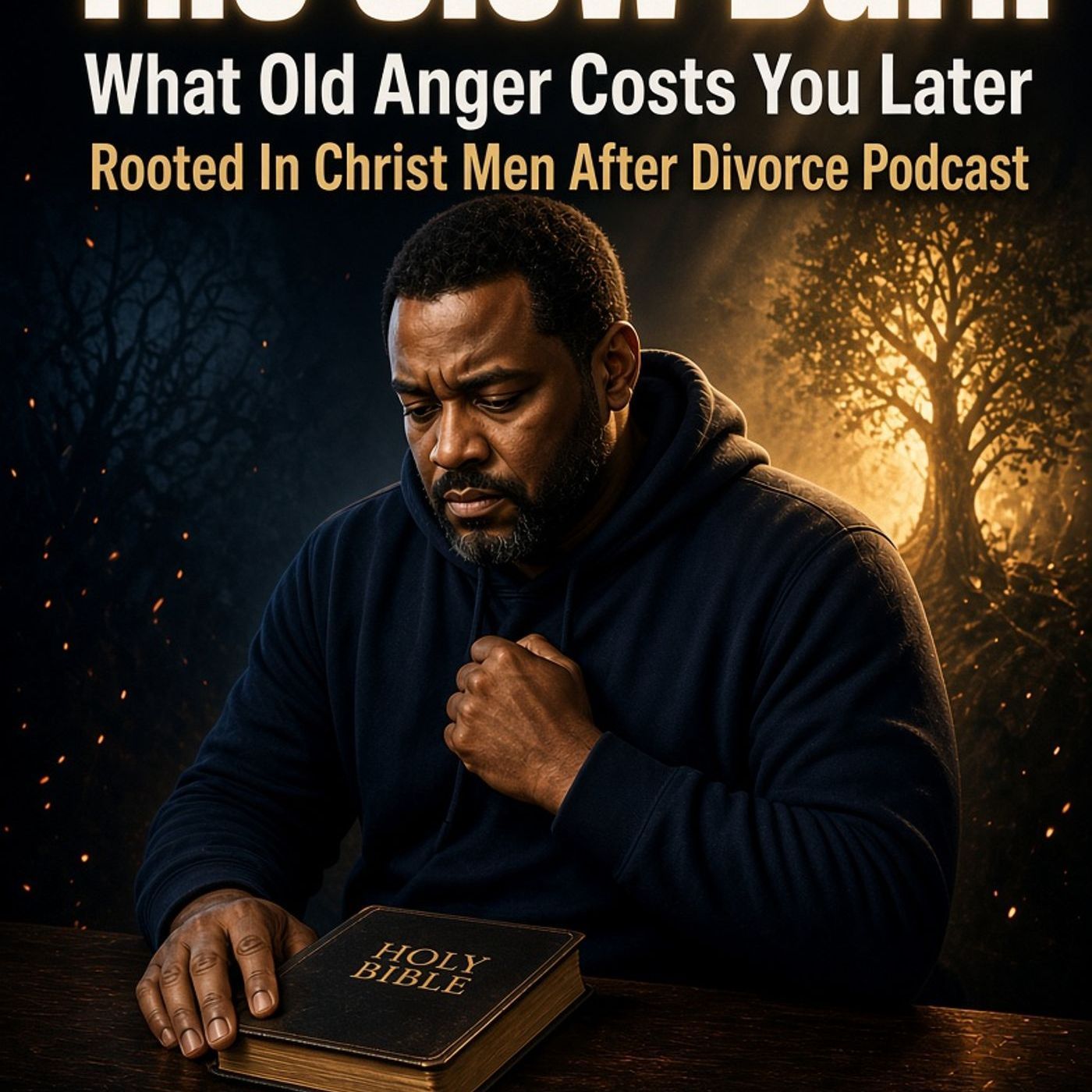
Are you struggling to let go of the anger that lingers after your divorce? In this powerful finale of the series "Rooting in Christ: Men After Divorce," Karlton confronts the emotional aftermath of separation, revealing why unresolved anger can resurface when you least expect it. This episode is essential for anyone navigating the complexities of post-divorce emotions—especially if you think you've moved on but still feel the sting of past wounds.
Karlton dives deep into the roots of lingering anger, explaining how it often hides beneath the surface, waiting for the right moment to flare up. You'll discover how seemingly innocuous triggers—like a message from your ex or a simple disagreement with your children—can reignite feelings you believed were long buried. He uses the vivid metaphor of a campfire, illustrating how an ember can smolder quietly until a gust of wind brings it back to life, highlighting the importance of addressing these hidden emotions.
In this episode, you'll learn:
- The subtle signs that your anger is unresolved and how they manifest in daily life.
- Practical strategies to process your feelings instead of burying them.
- Insight on how to cultivate healthier relationships post-divorce by tackling your unresolved emotions head-on.
Ignoring these feelings can lead to more than just emotional turmoil; it can impact your relationships, parenting, and overall well-being. This episode sheds light on the critical importance of processing anger for your healing journey, providing you with the tools needed to reclaim your life and relationships.
Don't let unresolved anger control your present—take the first step towards healing. Perfect for anyone feeling stuck in the aftermath of a divorce and looking for guidance, this episode is a must-listen. Tune in now and discover how to transform your pain into peace.
Rooted Men: Do you ever feel like your divorce is over on paper, but not fully over on you in your heart? You signed the documents, changed your routine, rebuilt parts of your life, but the anger still shows up when you least suspect it. Today we'll talk about why this happened and what to do when the past keeps trying to control your presence. Thanks for tuning in to Rooted in Christ, men after divorce. Divorce rarely gets talked about in the church, but we open up the conversation for Christian men seeking healing, strength, and a renewed walk with God. Each episode we focus on spiritual life, mental health, emotional recovery, physical wellness, financial stability, and your future. Stay rooted, rise strong, divorce isn't you. Welcome back to Rooted in Christ, men after divorce. I'm Carlton, and this is episode three, the finale of our series on anger. In the first two episodes, we talked about how anger shows up after divorce. Sometimes it's loud arguments, outbursts, harsh words. Other times it's quiet, shutting down, working too much, isolating, refusing to let anyone close. Today we're talking about what happens when anger is left unresolved for too long. Because anger doesn't always leave just because time passes. I know for that for from experience. Sometimes it becomes buried, sometimes it appears gone until life creates the right conditions for it to rise again. Maybe you told yourself, I'm past that now. I'm over her. You've adjusted to the new routine, rebuilt your finances, created a parentage schedule, but then something triggers you. A message from her A disagreement about the kids, a birthday, a court date, the news that she's moving on, and suddenly the anger comes back stronger than you expect. Not because you're weak, not because you failed, but because something was still burning beneath the surface. Imagine you're camping, spend a good night around the fire, flames crackling wood, a little piece, maybe a couple of beers, eventually you put it out. You pour water on it, spread the ashes, watch the coals disappear. Looks out, so you walk away. But underneath those ashes, one ember is still hot, small, hidden, it doesn't look like a threat. Then the wind picks up. A dry leaf blows across the ashes. Oxygen reaches that ember, and what looked dead begins to glow again. One overlooked ember becomes an out of control flare up. That's long term anger after divorce. You put out the visible flames, stop arguing, stop talking about it. Move on to another home, another job, another routine. If the pain beneath the anger is never processed, the ember remains. Then a trigger comes, it flares up. It might not even look like anger. It can look like sarcasm, coldness, control, impatience with your children. Distrust in a new relationship, resentment toward marriage, family, church, or God. Anger becomes dangerous when we mistake silence for healing. Not talking about it doesn't mean it's gone. Sometimes it only means it's buried. Proverbs fourteen twenty nine says, Whoever is patient has great understanding, but one who is quick tempered displays folly. Patience gives us room to understand. What's happening inside before we react in a way that causes more damages. Before we go deeper, if this podcast is helping you, take a moment, like, subscribe, and share. You'll find us on YouTube and all major platforms. Join our Patreon community for encouragement, accountability, and brotherhood. And sign up for our newsletter for episodes, updates, and resources. You don't have to rebuild alone. Now let's get back to the message. Unresolved anger doesn't stay in one area of your life. You may think you're only angry about the divorce, about being betrayed, replaced, or separated from your children. But like that campfire, it spreads from the past into your present. And if you're not careful into the lives of the people you love, it def it distorts your identity. Anger attaches to your wounds until it shapes the story you tell yourself. I'm the man who was left, the man who fell, the man nobody wanted. But what happened to you isn't not the full definition of who you are. Your divorce is part of your story. It is not your identity. Your pain is real, but it has no authority to rename you. And Christ is. You are not defined by rejection or or legal document. God calls you his son. It affects your children. Kids see more than we think. They may not understand the legal issues, but they feel that tension. They hear your tone. They need a present father, one who can admit when he's wrong and say I'm having a hard moment, but this is not your fault. Show them that strength isn't rage. Strength is not. is self control, knowing when to pause, responding instead of reacting, and apologizing after you cause harm. It poisons future relationships. You may be dating someone new, but still responding to old wounds, specting betrayal but before trust can grow, reading disagreement as disrespect, pushes someone away before they can leave. There's a difference between wisdom and laws. Wisdom says I'll move slowly and set healthy boundaries. Walls say nobody will ever get close enough to hurt me again. Healthy boundaries protect your peace. Bitterness blocks your healing. It doesn't stop there. Left unattended, anger wears down your body, your sleep, your prayer life. But God isn't afraid of your anger. You can come to him honestly. Father, I'm hurt. I don't understand why this happened. I need your help. He can handle it. Now here's the important truth. Anger is usually not the root emotion. It's the flame we see, not the spark that started the fire. Beneath anger, there's often grief for the marriage you thought you'd have, for the lost time with your kids, there's fear of being alone, rejected again, or that your children won't understand your side. There's shame over mistakes, over what others think, over feeling like you fail, and there's pain from betrayal, abandonment, and from being replaced. If you only control the outward expression but never deal with the grief, fear, shame, and pain underneath, the ember stays alive. That's why getting over it isn't the same as healing. Staying busy isn't healing. Going numb isn't healing. Healing starts with honesty. When you can say, Lord, beneath this anger, I'm hurt. I'm afraid. I'm grieving. I don't want this pain to find my future. That's not weakness. That's courage. Now here's a better process. What do you do when anger arises? One, pause before you respond. Don't send a text, make the call, a post while your heart is racing. Step as outside, breathe, pray, Lord help me, respond with wisdom instead of reacting out of pain. Proverbs sixteen thirty two says The one with self control is greater than the one who takes a city. Self control is strength. two. Identify the real trigger. Ask what just happened? And why did it hit me so hard? Often it's not only about today's message, but It's activated an old wound from round respect, abandonment, or control. Naming the true trigger lest you respond to what's actually happening. Three, release the energy safely. Anger puts energy in your body and it needs an outlet. Walk, live, run, journal, pray out loud, call a trusted brother. Feel the anger without letting it make your choices. four write it before you send it. Put the angry message in your notes app instead. Get it out. Then wait and pray. Ask is it true? Is it necessary? Does it move toward peace or more conflict? Would I be comfortable if my child heard me say five find a safe brotherhood not men who feel your anger or tell you to get old revenge, men who say I hear your pain, but I won't let you destroy your future over your past. A pastor, a mentor, counselor, or men's group. Isolation keeps the ember hidden. Brotherhood brings it into the light. Six. Forgive without removing boundaries. Forgiveness doesn't mean what happened was acceptable or that you return to unsafe situations. It means releasing revenge and placing justice in God's hand. You can forgive and still keep clear parenting, financial, and emotional boundaries. Romans twelve eighteen says as far as it depends on you, live at peace with everyone. You can have to control another person's choices, but with God's help, you can control your response. Brothers, you don't have to become a man who never feels anger. You need to become a man who refuses to let anger be his master. The loss was real, the Breto was real. The pain doesn't have to become the permanent fire in your life. Don't walk away from the campfire just because the flames look gone. Stir them around and it reveals what's still hot. Bring him the grief, the fear, the hurt, and let him walk beside you. Choose wise boundaries. Practice self control. You may not get the apology you deserve or hope for. You can can choose not to let yesterday control today. Thank you for joining me on the part three of this anger series. If it helped you, like, subscribe and join us on Patreon and the newsletter so you can keep rebuilding with us. You're not finished, you're not disqualified, you're still called. Stay rooted. Rise Strong, divorce is not you. This podcast is for educational and inspirational purposes only. The hosts and guests are not licensed professionals, and content is not legal, financial, or mental health advice. Seek qualified experts for personal guidance. Views expressed are those of the host and guest, not affiliated organizations.